Call: 603 528-1212


Oral cancer, though less common than other cancers, can have a significant impact on a person’s life. Early detection is crucial for successful treatment, but wouldn’t it be even better to prevent it altogether? Here, we explore 11 effective ways to reduce your risk of oral cancer and maintain a healthy smile.
1. Kick the Tobacco Habit
This is the single most impactful step you can take. Tobacco use, including cigarettes, cigars, chewing tobacco, and snuff, is a major risk factor for oral cancer. The chemicals in tobacco products directly damage the cells in your mouth, increasing the chances of cancerous mutations. Quitting smoking can be challenging, but numerous resources are available to help. Talk to your doctor about smoking cessation programs or medications that can ease the withdrawal process.
2. Limit Alcohol Consumption
While moderate alcohol consumption might not be a significant risk factor on its own, it can amplify the harmful effects of tobacco use. When combined, alcohol and tobacco create a synergistic effect, exponentially increasing your risk of oral cancer. If you choose to drink alcohol, do so in moderation. Discuss your alcohol intake with your doctor to determine a safe limit for you.
3. Get Vaccinated Against HPV
The human papillomavirus (HPV) is a sexually transmitted infection linked to certain strains of oropharyngeal cancer, a type of head and neck cancer that affects the throat and tonsils. Vaccination against HPV is highly recommended for both boys and girls at the ages of 11 or 12. This simple step can significantly reduce your risk of developing HPV-related oral cancer later in life.
4. Protect Your Lips from the Sun
Sun exposure isn’t just a concern for your skin; your lips are vulnerable too. Ultraviolet (UV) rays can damage delicate lip tissue, increasing the risk of lip cancer. Make it a habit to use a lip balm with SPF 30 or higher whenever you’re outdoors, even on cloudy days. Reapply frequently, especially after eating, drinking, or swimming.
5. Maintain a Healthy Diet
A balanced diet rich in fruits, vegetables, and whole grains provides your body with essential vitamins, minerals, and antioxidants that can help fight off cancer and improve overall health. These foods are packed with nutrients that support your immune system and may play a role in reducing cancer risk. Aim to fill half your plate with colorful fruits and vegetables at every meal.
6. Schedule Regular Dental Checkups
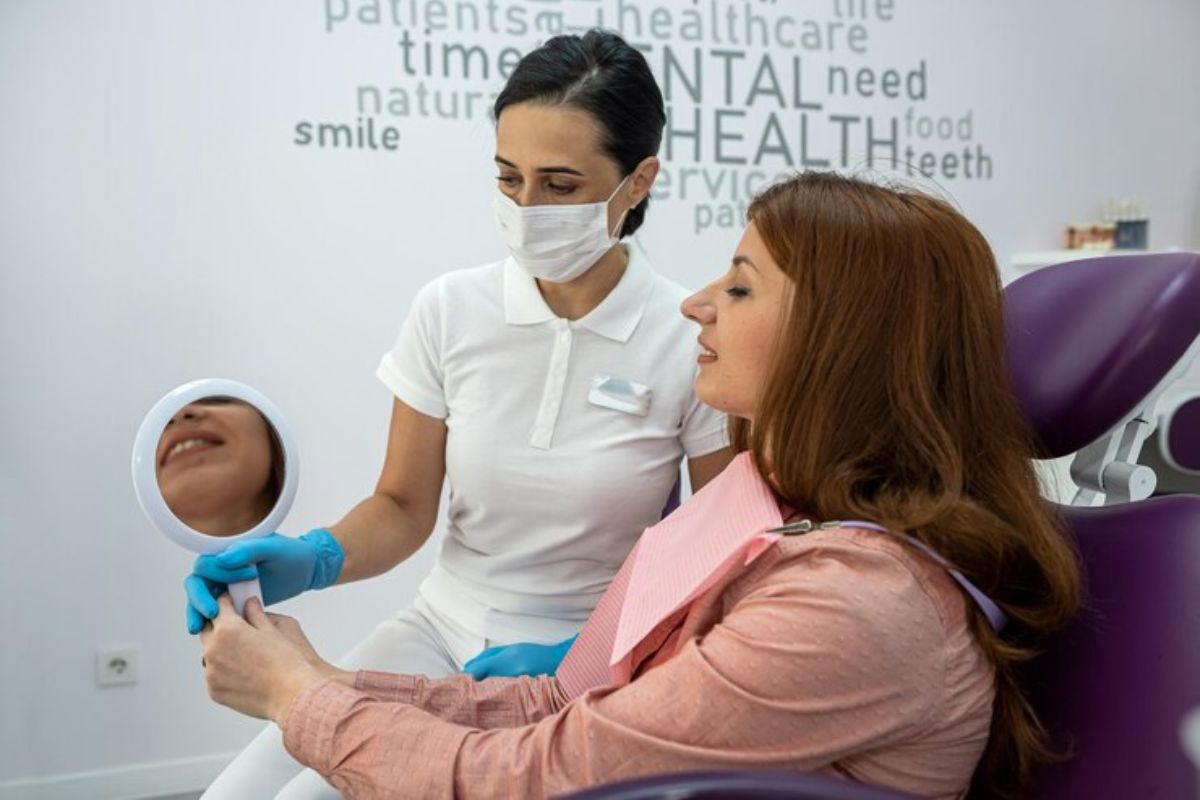
Regular dental checkups are not just about maintaining clean teeth. Your dentist plays a vital role in early detection of oral cancer. During your routine cleanings and checkups, your dentist will perform a thorough oral cancer screening, which may include examining your mouth for lumps, sores, or white patches, and checking your lymph nodes for swelling. Early detection is critical for successful treatment, so don’t neglect your dental appointments.
7. Perform Self-Exams
In addition to regular dental checkups, it’s essential to be familiar with your mouth and perform self-exams regularly. This allows you to identify any unusual changes early on. Look for any white or red patches on your tongue, gums, or inner cheeks. Feel for any lumps or bumps on your tongue, cheeks, or the roof of your mouth. Be mindful of any changes in your bite or difficulty swallowing. If you notice any concerning changes, schedule an appointment with your dentist promptly.
8. Maintain Good Oral Hygiene
Brushing your teeth twice a day with fluoride toothpaste and flossing daily are crucial steps in maintaining good oral hygiene. Brushing removes plaque and bacteria that can contribute to gum disease and other oral health problems. Flossing helps clean between teeth, where a toothbrush can’t reach. Good oral hygiene can help keep your mouth healthy and may reduce your risk of oral cancer.
9. Avoid Smokeless Tobacco Products
The misconception that smokeless tobacco products like chewing tobacco are a safer alternative to cigarettes is simply not true. These products contain many of the same carcinogens found in cigarettes and can significantly increase your risk of oral cancer. If you currently use smokeless tobacco, quitting is essential for protecting your health. Talk to your dentist or doctor for support in quitting smokeless tobacco.
10. Manage Your Weight
Obesity is linked to an increased risk of various cancers, including oral cancer. Maintaining a healthy weight through a balanced diet and regular exercise can significantly improve your overall health and potentially reduce your risk of cancer. Consult a doctor or registered dietitian to create a weight management plan that’s right for you.
11. Limit Risky Sexual Behaviors
Certain sexually transmitted infections (STIs) like HPV can increase your risk of oral cancer. Practicing safe sex by using condoms consistently can help reduce your exposure to STIs and potentially lower your risk of HPV-related oral cancer.
Oral cancer is a serious condition, but by taking these preventive measures, you can significantly reduce your risk. Remember, early detection is key. If you notice any unusual changes in your mouth, don’t hesitate to schedule an appointment with your dentist. A dentist can perform a thorough examination and recommend the appropriate course of action.