
Call: 603 528-1212

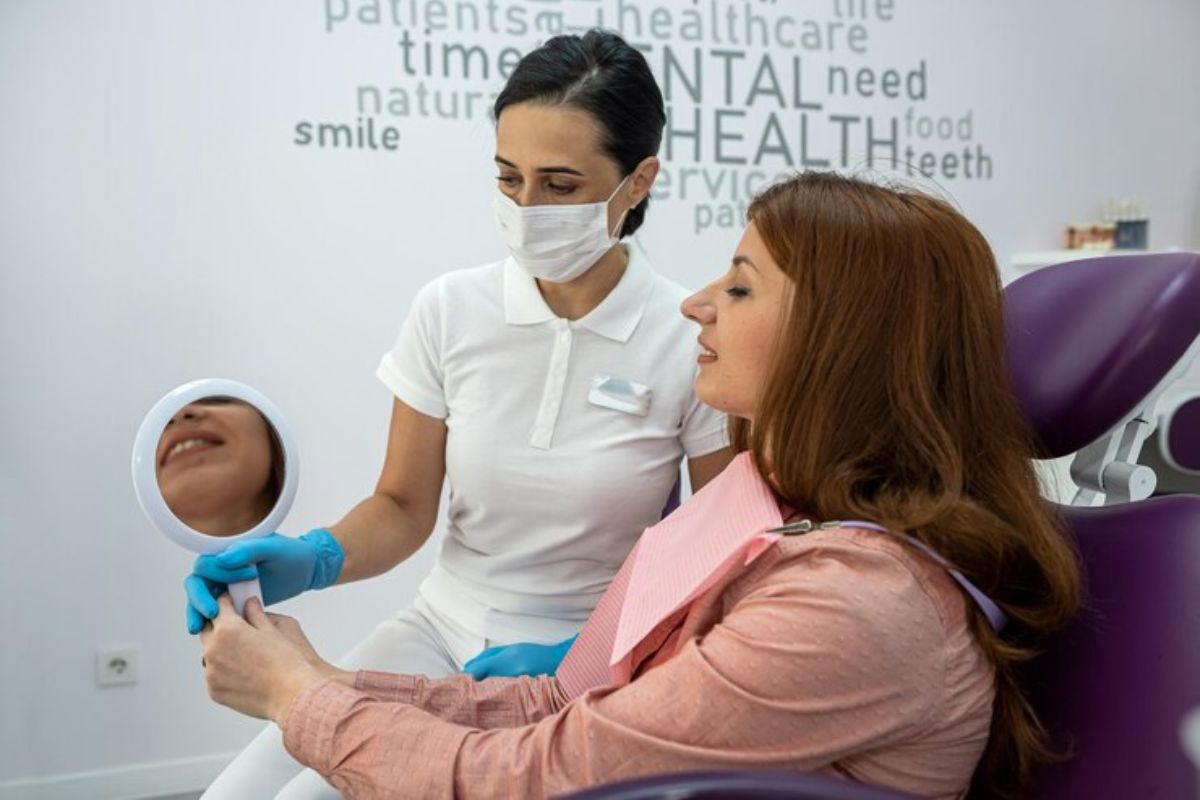
Preventive dental care, also known as preventive dentistry, is the practice of caring for your teeth to keep them healthy. This involves a combination of regular dental check-ups and the establishment of good oral hygiene habits at home. By focusing on prevention, you can avoid the pain, expense, and inconvenience of dental problems.
The Importance of Preventive Dental Care
Preventive dental care is essential for maintaining overall health. Poor oral health can lead to significant issues such as tooth decay, gum disease, and tooth loss. Moreover, it is linked to other health problems, including heart disease and diabetes. By practicing preventive dentistry, you can ensure your teeth and gums remain healthy and functional for a lifetime.
Key Components of Preventive Dental Care
There are several key components to preventive dental care. These include regular visits to the dentist, daily brushing and flossing, a balanced diet, and lifestyle choices that promote oral health.
1. Regular Dental Check-ups
Visiting your dentist regularly is a cornerstone of preventive dentistry. These visits typically occur every six months but can be more frequent based on individual needs. During a check-up, your dentist will:
- Conduct a thorough examination of your teeth, gums, and mouth.
- Perform professional cleaning to remove plaque and tartar.
- Identify any potential issues early on, such as cavities or gum disease.
- Provide personalized advice on how to maintain good oral hygiene at home.
2. Daily Brushing and Flossing
Good oral hygiene practices at home are crucial. This involves:
- Brushing: Brush your teeth at least twice a day with fluoride toothpaste. Use a soft-bristled toothbrush and replace it every three to four months.
- Flossing: Floss daily to remove food particles and plaque between teeth where a toothbrush can’t reach.
- Mouthwash: Consider using an antimicrobial mouthwash to reduce bacteria and freshen your breath.
3. Balanced Diet
A healthy diet is vital for your oral health. Foods rich in calcium and phosphorus, like dairy products and leafy greens, help strengthen tooth enamel. Limit sugary and acidic foods and drinks, as they can lead to tooth decay. Drinking plenty of water also helps wash away food particles and bacteria.
4. Lifestyle Choices
Certain lifestyle choices can significantly impact your oral health. Avoiding tobacco products, limiting alcohol consumption, and managing stress are important aspects of preventive dental care. Smoking and excessive alcohol use can lead to serious oral health issues, including cancer.
Benefits of Preventive Dental Care
Engaging in preventive dental care offers numerous benefits. It not only helps maintain a beautiful smile but also contributes to your overall well-being. Here are some of the main advantages:
1. Prevents Tooth Decay and Gum Disease
Regular dental visits and good oral hygiene practices help prevent tooth decay and gum disease. Early detection and treatment of these issues can prevent them from progressing into more severe problems that require extensive and costly treatment.
2. Saves Money
Preventive dental care can save you money in the long run. By investing in regular check-ups and cleanings, you can avoid expensive dental procedures like fillings, root canals, and extractions. Preventive care is often covered by dental insurance, making it an economical choice.
3. Enhances Overall Health
Oral health is closely linked to overall health. Conditions like heart disease, diabetes, and respiratory infections have been associated with poor oral health. By maintaining good oral hygiene and visiting your dentist regularly, you can reduce the risk of these health issues.
4. Improves Self-Esteem
A healthy smile boosts confidence and self-esteem. Preventive dental care helps you maintain a bright, clean, and attractive smile, enhancing your overall appearance and how you feel about yourself.
Preventive Dental Care for All Ages
Preventive dental care is important for individuals of all ages, from young children to seniors. Each age group has specific needs and considerations.
1. For Children
Starting preventive dental care early in life sets the foundation for a lifetime of good oral health. Pediatric dentists focus on educating children and parents about proper oral hygiene practices. Sealants and fluoride treatments are common preventive measures for children to protect their developing teeth from cavities.
2. For Adults
Adults should continue practicing good oral hygiene and visit the dentist regularly. It’s also important to be mindful of any changes in oral health, such as sensitivity, pain, or bleeding gums, and address them promptly with your dentist.
3. For Seniors
As we age, our oral health needs change. Seniors may face issues like dry mouth, gum disease, and tooth loss. Regular dental visits and good oral hygiene practices remain crucial. Dentists can also help with dentures, implants, and other dental appliances to maintain oral health and quality of life.
Preventive dental care is a vital part of maintaining overall health and well-being. By visiting your dentist regularly, practicing good oral hygiene, and making healthy lifestyle choices, you can prevent dental problems and enjoy a lifetime of healthy smiles. Investing in preventive dentistry is not just about protecting your teeth; it’s about enhancing your quality of life. Remember, a healthy smile is a beautiful smile!