
Call: 603 528-1212

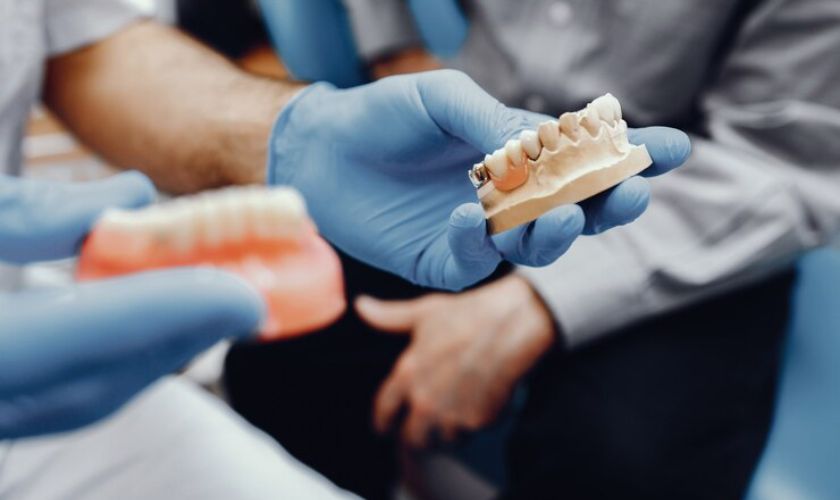
Our teeth are incredibly strong, but they aren’t invincible. Over time, they can chip, crack, decay, or become worn down. When this happens, the tooth’s structure and function weaken, leaving it vulnerable to further damage and infection. In these situations, a dental crown can be a lifesaver for your tooth.
Reasons Why You Might Need a Dental Crown
There are several reasons why a dentist might recommend a dental crown:
1. Severe Tooth Decay: If a cavity is large or extends deep into the tooth, a filling may not be sufficient to restore its strength and function. In such cases, a dental crown is needed to protect the remaining tooth structure and prevent further decay.
2. Cracked or Fractured Teeth: Teeth can crack or fracture due to trauma, chewing on hard objects, or even biting down too forcefully. A significant crack can compromise the tooth’s integrity and increase the risk of infection. A dental crown can restore the tooth’s structure and prevent further breakage.
3. Worn-Down Teeth: Teeth can become worn down due to chronic teeth grinding (bruxism) or erosion from acidic foods and drinks. This can expose the dentin layer beneath the enamel, which is softer and more sensitive. A dental crown can protect the exposed dentin and restore the tooth’s chewing surface.
4. Root Canal Treatment: After a root canal procedure, the tooth becomes brittle and is more susceptible to fracture. A dental crown is often placed over the treated tooth to strengthen it and prevent breakage.
5. Dental Implants: Dental implants are artificial tooth roots used to support dental restorations like crowns or bridges. A dental crown is placed on the implant to create a natural-looking and functional tooth replacement.
6. Cosmetic Enhancement: Dental crowns can also be used for cosmetic purposes. They can improve the appearance of discolored, misshapen, or misaligned teeth. This can significantly enhance your smile’s aesthetics.
Benefits of Dental Crowns
Dental crowns offer several advantages over other dental restorations:
1. Strength and Durability: Dental crowns are incredibly strong and can withstand significant biting forces. This makes them ideal for restoring severely damaged or weakened teeth.
2. Improved Functionality: Crowns restore the tooth’s shape and size, allowing you to chew and speak normally.
3. Protection: They protect the underlying tooth structure from further decay and infection.
4. Natural Appearance: Dental crowns can be made to closely resemble the color and appearance of your natural teeth, ensuring a seamless integration into your smile.
5. Long-lasting: With proper care, dental crowns can last for many years, making them a cost-effective investment in your oral health.
What to Expect When Getting a Dental Crown
The process of getting a dental crown typically involves two appointments with your dentist.
1. First Appointment: During the first appointment, your dentist will examine the tooth and take X-rays to assess the extent of the damage. They will then numb the area around the tooth and remove a small amount of enamel to make room for the crown. An impression of the prepared tooth and surrounding teeth will be taken to create a custom-made crown. In the meantime, a temporary crown will be placed to protect the tooth.
2. Second Appointment: At the second appointment, your dentist will remove the temporary crown and check the fit of the permanent crown. Once they are satisfied, they will permanently cement the crown onto your tooth.
Dental crowns are a versatile and valuable tool in a dentist’s arsenal for restoring and protecting damaged or compromised teeth. They offer numerous benefits, including improved strength, functionality, and aesthetics. If you have a damaged or weakened tooth, a dental crown might be the solution you need to restore your oral health and smile.