Call: 603 528-1212


As a dedicated dentist serving the Tilton community, one of the most frequent questions I encounter is about the success rate of dental implants. It’s a crucial query, considering the significant investment in both time and money that implants require. This blog aims to provide a comprehensive overview of the success rates of dental implants, addressing common concerns and highlighting the factors that influence these rates.
What Are Dental Implants?
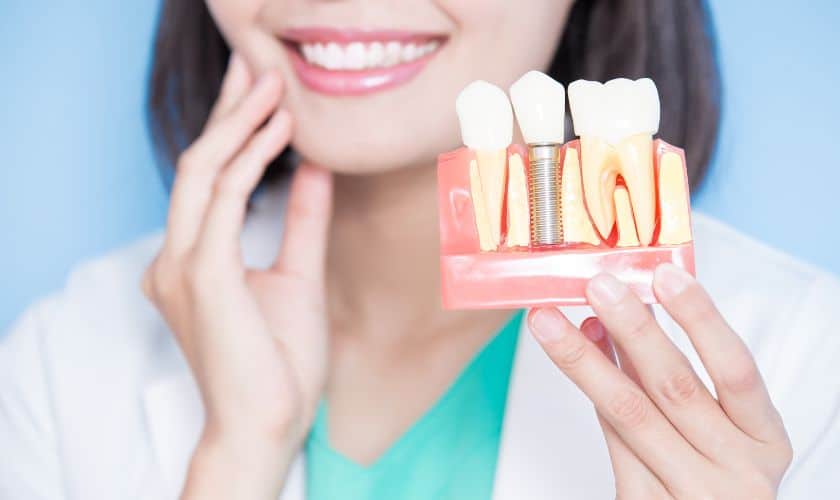
Dental implants are a permanent solution for missing teeth, consisting of a titanium post surgically inserted into the jawbone. This post acts as a replacement for the tooth root, providing a sturdy foundation for a crown, bridge, or denture. The result is a natural-looking and functional restoration that can significantly improve the quality of life for patients with missing teeth.
Overall Success Rate of Dental Implants
Dental implants boast a high success rate, often cited between 95% and 98%. This impressive statistic reflects the advancements in dental technology and techniques over the past few decades. These numbers indicate that the vast majority of patients experience successful implantation and long-term stability of their dental implants.
Factors Influencing Success Rates of Dental Implants
1. Bone Health and Quality
The health and quality of the jawbone are critical factors in the success of dental implants. Sufficient bone density is necessary to support the titanium post. Patients with insufficient bone may require bone grafting procedures to build up the bone before implants can be placed. Studies show that when bone grafting is successful, the overall success rate of implants remains high.
2. Patient Health and Lifestyle
General health plays a significant role in the success of dental implants. Conditions such as uncontrolled diabetes, certain autoimmune diseases, and a history of radiation therapy to the head or neck can adversely affect the healing process and integration of the implant. Additionally, lifestyle choices like smoking can reduce the success rate due to impaired healing and increased risk of infection.
3. Surgical Technique and Expertise
The skill and experience of the dental surgeon are paramount. An experienced implantologist will meticulously plan the procedure, considering factors like the precise placement of the implant, the angle, and the depth. Advanced imaging techniques such as 3D cone beam CT scans have enhanced the precision of implant placement, contributing to higher success rates.
Longevity and Maintenance After Getting Dental Implants
Long-Term Success
While the initial success rate of dental implants is high, their longevity also depends on proper maintenance. With good oral hygiene practices and regular dental check-ups, dental implants can last a lifetime. It is essential for patients to follow the post-operative care instructions provided by their dentist and to maintain a consistent oral hygiene routine to prevent complications such as peri-implantitis, an inflammatory condition affecting the soft and hard tissues around the implant.
Read more – https://www.winnisquamdental.com/how-long-do-dental-implants-last/
Regular Dental Visits
Regular visits to the dentist are crucial for the long-term success of dental implants. These visits allow for professional cleanings and early detection of any potential issues. The dentist can monitor the health of the implant and surrounding tissues, ensuring any problems are addressed promptly.
Addressing Common Concerns During Dental Implants
1. Pain and Discomfort
A common concern among patients considering dental implants is the pain associated with the procedure. Most patients report minimal discomfort, comparable to tooth extraction. Modern anesthesia and sedation techniques help manage pain during the surgery. Post-operative discomfort is usually manageable with over-the-counter pain medication and subsides within a few days.
2. Cost and Insurance
The cost of dental implants can be a significant concern. While they are more expensive upfront compared to other dental restorations, their durability and longevity make them a cost-effective solution in the long run. Some dental insurance plans cover part of the cost of implants, and many dental practices offer financing options to make the procedure more affordable.
Dental implants offer a highly successful and reliable solution for missing teeth, with success rates ranging from 95% to 98%. Factors such as bone health, patient health, surgical expertise, and post-operative care play vital roles in achieving these impressive outcomes. With proper maintenance, dental implants can provide a lifetime of benefits, improving both function and aesthetics.
If you are considering dental implants and have any concerns or questions, I encourage you to schedule a consultation at our Tilton dental office. We are here to provide personalized care and help you make informed decisions about your dental health. Your smile is our priority, and we are committed to ensuring the best possible outcomes for all our patients.