
Call: 603 528-1212

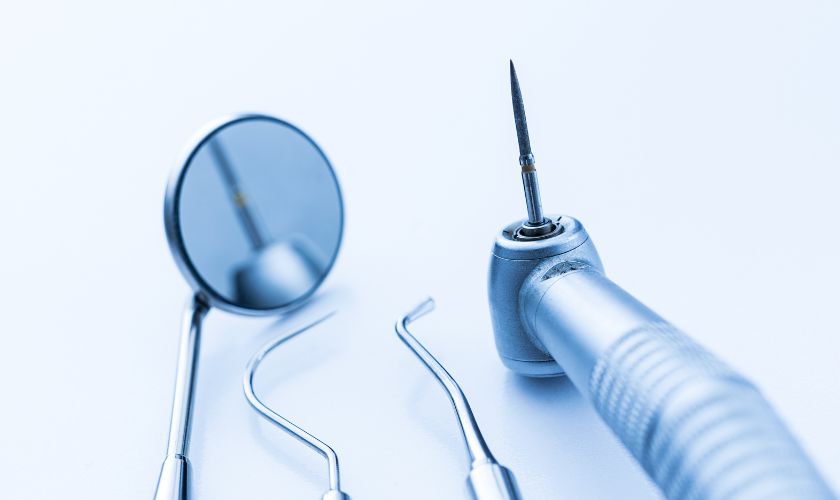
Dental emergencies can occur at any time, causing discomfort and anxiety. When faced with sudden oral health issues, knowing where to turn and what to do becomes crucial. In this comprehensive guide, we will delve into the essential facts about emergency dentistry, shedding light on what constitutes a dental emergency, how to handle such situations, and the role of an emergency dentist. Finding the right emergency dentist can be a key factor in managing unexpected dental issues promptly.
What Qualifies as a Dental Emergency?
A dental emergency is any situation that requires immediate attention to alleviate pain, stop bleeding, or save a tooth. Common dental emergencies include:
- Severe Toothache: Persistent and intense tooth pain can indicate an underlying issue that needs prompt examination.
- Knocked-Out Tooth: Time is of the essence when dealing with a knocked-out tooth. Quick action can significantly increase the chances of saving the tooth.
- Cracked or Fractured Tooth: A cracked tooth can expose the sensitive inner layers, leading to pain and potential infection if left untreated.
- Lost Filling or Crown: While not always painful, a lost filling or crown can expose the tooth’s vulnerable parts and should be addressed promptly.
- Bleeding Gums or Mouth: Uncontrolled bleeding in the oral cavity requires immediate attention to identify and address the cause.
- Infections or Abscesses: Swelling, accompanied by pain and pus, could be a sign of a dental infection that needs urgent treatment.
The Importance of Prompt Action
Ignoring dental emergencies can exacerbate the situation and lead to more extensive and expensive treatments down the line. Oral health issues often don’t resolve on their own, and timely intervention is crucial to prevent complications.
What to Do in a Dental Emergency
1. Stay Calm and Assess the Situation
The first step in any dental emergency is to stay calm. Assess the situation to determine the severity of the issue. Understanding whether immediate intervention is required can help you respond appropriately.
2. Contact an Emergency Dentist
Having access to an emergency dentist is paramount. When facing a dental emergency, contact an emergency dentist as soon as possible. Provide them with a detailed description of the situation to help them prepare for your visit.
3. Preserve a Knocked-Out Tooth
If a tooth gets knocked out, handle it with care. Rinse it gently with water, taking care not to remove any attached tissues. If possible, try to place the tooth back in its socket. If this isn’t feasible, keep it moist by placing it in a container with milk or saliva. Time is crucial, so aim to reach the dentist within the hour.
4. Manage Pain and Discomfort
Over-the-counter pain relievers can help manage pain temporarily. Applying a cold compress to the affected area can reduce swelling and numb the pain. However, these are temporary measures and a visit to the emergency dentist is necessary for a definitive solution.
5. Do Not Use DIY Fixes
In the face of a dental emergency, the temptation to try at-home remedies may arise. However, it’s crucial to avoid using DIY fixes or over-the-counter dental repair kits. These can worsen the situation and make it more challenging for the dentist to address the issue effectively.
The Role of an Emergency Dentist
1. Immediate Assessment and Diagnosis
Emergency dentists are trained to handle urgent oral health issues. Upon your arrival, they will conduct a thorough examination to assess the severity of the situation. X-rays may be taken to get a comprehensive view of the issue, aiding in accurate diagnosis.
2. Pain Management
One of the primary goals of an emergency dentist is to alleviate pain and discomfort. Depending on the nature of the emergency, they may administer local anesthesia or prescribe pain medications to ensure the patient’s comfort during the treatment.
3. Temporary and Permanent Solutions
Emergency dentists provide immediate solutions to address the urgent aspect of the issue. This may involve temporary fixes to stop bleeding, relieve pain, or stabilize a damaged tooth. Once the immediate concerns are addressed, a follow-up appointment may be scheduled for more permanent solutions or further treatments.
4. Patient Education
An essential aspect of emergency dentistry is patient education. Emergency dentists take the time to explain the nature of the dental emergency, the recommended treatment plan, and preventive measures to avoid similar situations in the future.
Tips to Find an Emergency Dentist
Having a reliable emergency dentist is crucial. Here are some tips for finding the right emergency dentist:
1. Research and Reviews
Do some research on local emergency dentists. Look for reviews and testimonials from other patients to gauge the quality of service and patient satisfaction.
2. Check Availability
An emergency dentist should have flexible hours and be available during weekends and holidays. Dental emergencies don’t adhere to regular office hours, so finding a dentist with extended availability is essential.
3. Verify Insurance Coverage
Ensure that the emergency dentist accepts your dental insurance. Understanding the financial aspect of emergency dental care can help alleviate stress during an already challenging time.
4. Location and Accessibility
Choose an emergency dentist with a convenient location, ensuring easy access in case of an emergency. Accessibility is particularly crucial when time is of the essence.
Being well-informed about emergency dentistry is vital for everyone. Understanding what constitutes a dental emergency, how to respond, and the role of an emergency dentist can make a significant difference in the outcome of such situations. Knowing where to find an emergency dentist in Tilton ensures that help is readily available when needed. Remember, prompt action is key in dental emergencies, so stay informed and prepared.