Call: 603 528-1212

Dental implants have revolutionized the field of dentistry, offering a permanent solution for individuals with missing teeth. As technology continues to advance, more people are opting for dental implants to restore their smiles and regain oral functionality. One common question that arises among those considering dental implants is, “How long do dental implants last?” In this comprehensive guide, we will explore the longevity of dental implants, factors influencing their durability, and specific considerations for individuals in Tilton seeking dental implants.
Understanding Dental Implants
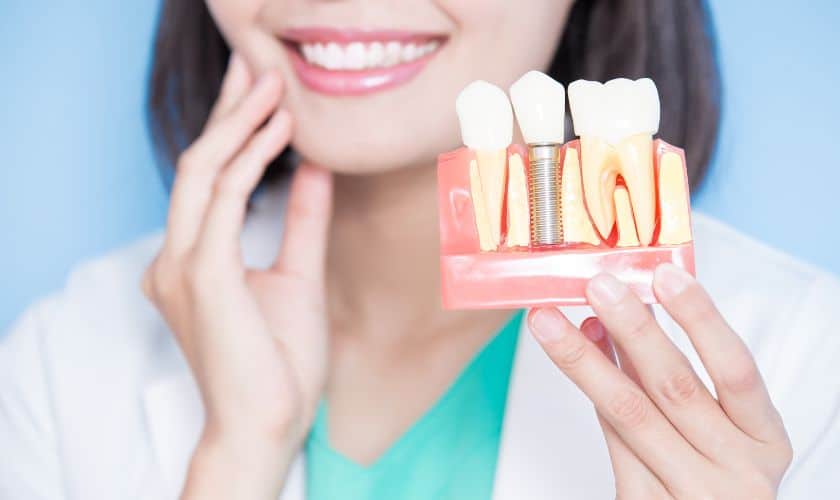
Before delving into the lifespan of dental implants, it’s essential to grasp what dental implants are and how they function. Dental implants are artificial tooth roots made from biocompatible materials, such as titanium, that are surgically implanted into the jawbone. These implants serve as a foundation for mounting replacement teeth or bridges. Unlike traditional dentures or bridges, dental implants offer a more permanent and stable solution for missing teeth.
The Dental Implant Process Typically Involves Several Stages:
1. Initial Consultation: The dentist assesses the patient’s oral health, takes X-rays, and discusses the treatment plan.
2. Implant Placement: The implant is surgically placed into the jawbone. Over time, the bone fuses with the implant through a process called osseointegration.
3. Abutment Placement: Once the implant has integrated with the bone, an abutment is attached to the implant. The abutment serves as a connector between the implant and the replacement tooth.
4. Crown or Prosthesis Placement: The final step involves placing a custom-made crown or prosthesis onto the abutment and completing the restoration.
Factors Influencing The Longevity Of Dental Implants
Several factors contribute to the longevity of dental implants. Understanding these factors can help individuals make informed decisions about their oral health and implant care.
1. Osseointegration:
Osseointegration is a crucial factor in the success and longevity of dental implants. It refers to the process of the jawbone fusing with the implant, providing a stable foundation. The success of osseointegration depends on factors such as bone density, overall health, and adherence to post-surgery care instructions.
2. Oral Hygiene:
Maintaining excellent oral hygiene is vital for the longevity of dental implants. Regular brushing, flossing, and routine dental check-ups help prevent infections and complications that could compromise the implants.
3. Overall Health:
The patient’s overall health plays a significant role in the success of dental implants. Conditions such as diabetes or autoimmune disorders may affect the healing process and increase the risk of implant failure.
4. Implant Material And Design:
The materials used in dental implants, particularly titanium, have a long history of success due to their biocompatibility. The design and quality of the implant also impact its longevity.
5. Dentist’s Skill And Experience:
The expertise of the dentist performing the implant procedure is crucial. A skilled and experienced implant dentist is more likely to ensure proper placement and reduce the risk of complications.
6. Patient Habits:
Certain habits, such as smoking and teeth grinding, can negatively impact the lifespan of dental implants. Smoking impedes the healing process, while teeth grinding (bruxism) can put excessive pressure on the implants.
How Long Do Dental Implants Last On Average?
Dental implants are designed to be a long-term solution for missing teeth. On average, dental implants can last for 25 years or more. However, with proper care and maintenance, many implants have been known to last a lifetime.
The success rate of dental implants is impressively high, with studies indicating success rates of 95% or more. Factors contributing to this success include advancements in implant technology, improved surgical techniques, and a better understanding of patient selection criteria.
Dental Implants: Local Considerations
For individuals in Tilton considering dental implants, there are specific considerations that may influence the longevity of their implants.
1. Local Dental Implant Specialists:
Choosing a reputable and experienced dental implant specialist in Tilton is crucial—research local dental professionals who specialize in implantology and have a track record of successful implant placements.
2. Climate and Environmental Factors:
Local climate and environmental conditions can indirectly impact dental implant longevity. For instance, individuals in humid climates may need to be extra vigilant about oral hygiene to prevent complications.
3. Community Support And Resources:
Having a supportive dental community in Tilton can contribute to the overall success of dental implant treatments. Access to resources, support groups, and follow-up care are essential components of ensuring the long-term success of dental implants.
Maintenance Tips For Prolonging Dental Implant Lifespan
While dental implants are designed to be durable, proper maintenance is key to ensuring their longevity. Here are some tips for individuals in Tilton and elsewhere to care for their dental implants:
1. Regular Dental Check-ups:
Routine dental check-ups allow the dentist to monitor the condition of the implants and address any issues promptly.
2. Good Oral Hygiene Practices:
Brushing and flossing around the implant and prosthesis are essential for preventing gum disease and maintaining overall oral health.
3. Avoiding Harmful Habits:
Quit smoking and avoid habits like teeth grinding to prevent unnecessary stress on the implants.
4. Healthy Lifestyle Choices:
Maintaining a healthy lifestyle, including a balanced diet and regular exercise, contributes to overall well-being, positively impacting the success of dental implants.
5. Follow Post-Operative Instructions:
Patients must adhere to the post-operative care instructions provided by their dental implant specialist. These instructions are designed to promote proper healing and integration of the implant with the jawbone.
Potential Challenges And Solutions
While dental implants are generally successful, there can be challenges that may arise over time. Individuals need to be aware of potential issues and seek prompt attention if any concerns arise. Some common challenges include:
1. Peri-implantitis:
This is an inflammatory condition affecting the soft and hard tissues around the implant. Regular dental check-ups and proper oral hygiene can help prevent peri-implantitis. If detected early, it can be treated effectively.
2. Implant Fracture:
While rare, implant fractures can occur. This may be due to excessive force, poor implant design, or other factors. Choosing a high-quality implant and following care instructions can minimize this risk.
3. Prosthesis Wear And Tear:
Over time, the prosthesis attached to the implant may experience wear and tear. Regular check-ups allow the dentist to assess the condition of the prosthesis and make any necessary adjustments or replacements.
Dental implants offer a transformative solution for individuals dealing with the challenges of missing teeth. Various factors, including osseointegration, oral hygiene, overall health, implant material, and the skill of the dentist, influence the longevity of dental implants. In Tilton, individuals considering dental implants should prioritize finding a reputable implant specialist and embrace good oral hygiene practices.
With proper care and maintenance, dental implants have the potential to last a lifetime, providing a durable and aesthetic solution for restoring smiles and improving overall oral health. As the field of implantology continues to advance.