Call: 603 528-1212

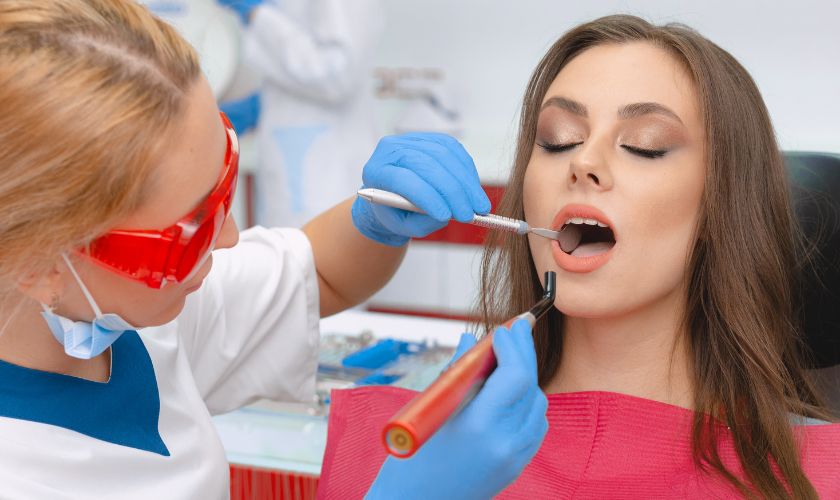
A bright, healthy smile not only boosts confidence but also plays a significant role in overall well-being. However, dental issues such as cavities, tooth decay, and missing teeth can take a toll on both oral health and self-esteem. This is where restorative dentistry comes into play. In Tilton, residents have access to skilled restorative dentists who specialize in repairing and rejuvenating smiles. In this comprehensive guide, we will explore the world of restorative dentistry, shedding light on its importance, the range of procedures it encompasses, and the significant impact it can have on your dental health.
Understanding Restorative Dentistry
Restorative dentistry is a specialized field of dental care focused on diagnosing, preventing, and treating dental problems that affect the function, aesthetics, and health of your teeth and gums. The primary goal of restorative dentistry is to restore the natural form and function of your smile while improving your overall oral health.
The Role Of A Restorative Dentist In Tilton
A restorative dentist in Tilton is a highly trained professional who specializes in repairing and rehabilitating damaged or missing teeth. Their expertise includes:
1. Diagnosis: Restorative dentists are skilled in identifying dental issues through thorough examinations, diagnostic imaging, and patient history.
2. Treatment Planning: They develop comprehensive treatment plans tailored to each patient’s unique needs, considering factors like oral health, budget, and cosmetic preferences.
3. Restoration: Restorative dentists use various techniques and procedures to restore teeth to their optimal form and function. This may involve repairing cavities, placing dental crowns, or restoring dental implants.
4. Cosmetic Enhancement: In addition to functionality, restorative dentists focus on the aesthetics of dental restorations, ensuring that they blend seamlessly with your natural teeth.
Common Restorative Dentistry Procedures
Restorative dentistry offers a wide range of treatments and procedures designed to address various dental issues. Here are some of the most common ones:
1. Dental Fillings
– Dental fillings are used to repair cavities and tooth decay. They can be made from materials like amalgam (metallic) or composite (tooth-colored) fillings.
2. Dental Crowns
– Dental crowns are tooth-shaped caps placed over a damaged or weakened tooth to restore its shape, strength, and appearance. They can be made from various materials, including porcelain, ceramic, or metal.
3. Dental Bridges
– Dental bridges are used to replace one or more missing teeth. They consist of artificial teeth (pontics) held in place by adjacent natural teeth or dental implants.
4. Dental Implants
– Dental implants are titanium posts surgically placed in the jawbone to replace missing tooth roots. They serve as a stable foundation for dental crowns, bridges, or dentures.
5. Dentures
– Dentures are removable prosthetic devices used to replace missing teeth. They come in various forms, including partial dentures for multiple missing teeth and complete dentures for full arches.
6. Root Canal Therapy
– Root canal therapy is performed to treat infected or inflamed tooth pulp. It involves removing the damaged pulp, disinfecting the root canal, and sealing it to prevent further infection.
7. Inlays and Onlays
– Inlays and onlays are custom-made restorations used to repair damaged or decayed teeth. They offer a more conservative option than dental crowns.
8. Dental Veneers
– Dental veneers are thin, custom-made shells that are bonded to the front surface of teeth to improve their appearance. They can address issues like staining, chips, or minor misalignment.
The Benefits of Restorative Dentistry
Restorative Dentistry Offers A Multitude Of Benefits, Including:
1. Improved Oral Health: Restoring damaged or missing teeth helps prevent further oral health issues like gum disease or misalignment.
2. Enhanced Aesthetics: Restorations are designed to look and feel like natural teeth, enhancing your smile’s appearance.
3. Better Functionality: Restored teeth allow for proper chewing and speech, improving overall functionality.
4. Boosted Confidence: A healthier, more attractive smile can boost self-esteem and confidence.
Restorative dentistry in Tilton is a comprehensive and transformative field that addresses a wide range of dental issues. Whether you’re dealing with cavities, missing teeth, or damaged dental work, a skilled restorative dentist can provide you with personalized treatment options to restore your smile to its full potential. The significance of restorative dentistry extends beyond aesthetics; it plays a vital role in maintaining oral health and overall well-being. So, if you’re experiencing dental problems, don’t hesitate to consult a restorative dentist to explore how these professionals can help you achieve a healthier, happier smile.